Jul 4, 2021 | Energy, Green Home Living
Looking for another reason to buy Made-in-the-USA products? This blog post, written by Project Hive Pet Company’s fabulous summer intern Zachary Yablon, tells us why it’s important to support companies who manufacture their products in the United States....
Feb 4, 2021 | Energy, LEED Certification
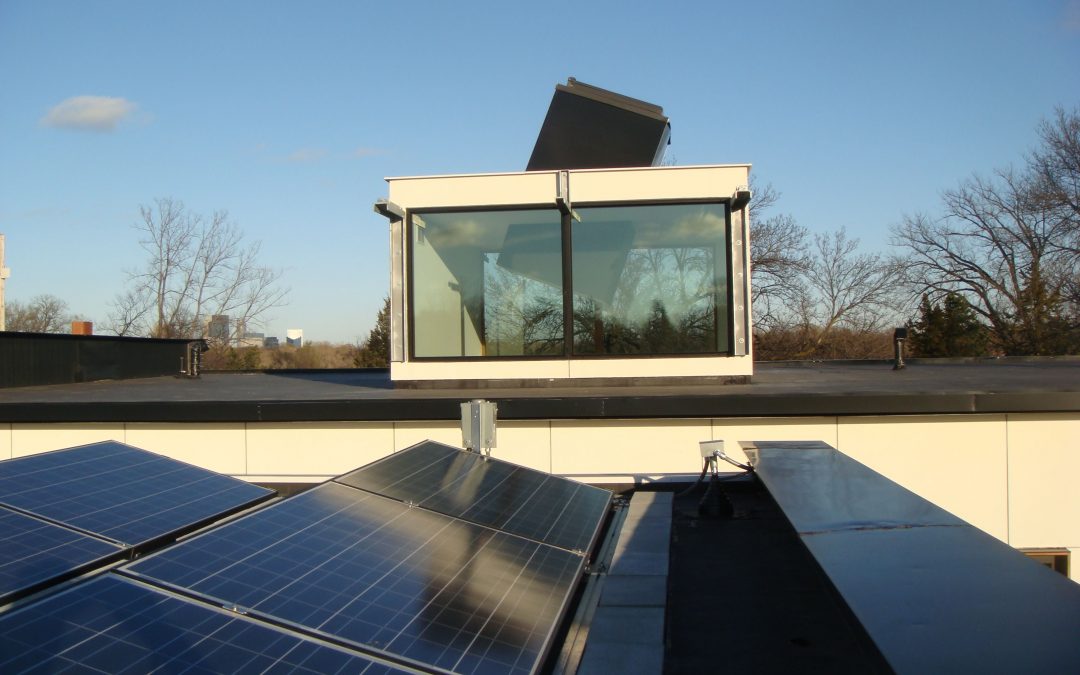
The sixth article in my LEED for Homes 101 series I wrote for Rise, this article discusses the ins and outs of how to make a home more energy efficient–which saves money and reduces your carbon footprint!

Mar 3, 2019 | Energy, Green Home Building/Remodeling, Green Home Living
After reading John Doerr’s Book, Measure What Matters, I decided to use OKRs (Objectives and Key Results) to decrease my own carbon footprint. Electrification is the new efficiency. We all need to get on board. See Rise’s From the Editor column.

Feb 1, 2019 | Energy, Energy & Water, Green Home Building/Remodeling, Green Home Living
Sustainability metrics? What’s that? Where do you begin? See the From the Editor article I wrote for Rise for some big, aspirational metrics to get started.
Jan 18, 2019 | Energy, Green Home Building/Remodeling, Green Home Living, Healthy Home
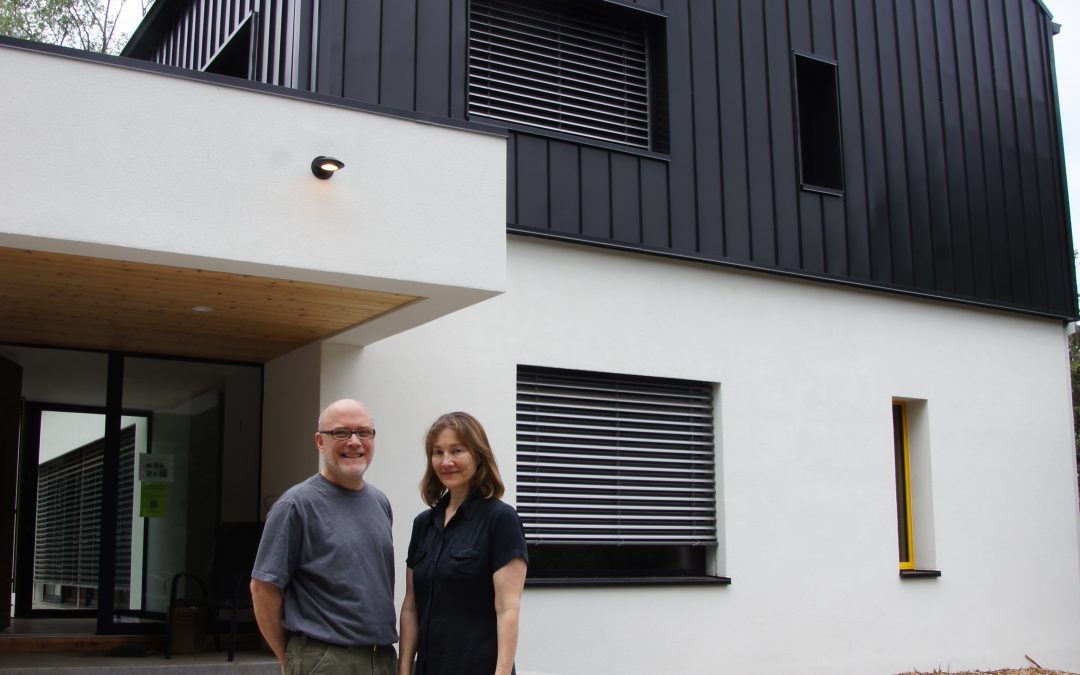
As the temperatures in Minneapolis plummet, well insulated homes are certainly more comfortable! Learn what a “passive house” is all about, and how Kathryn and Chris Johnson built their dream home in Minnetonka.
Jan 1, 2019 | Energy, Green Home Building/Remodeling, LEED Certification
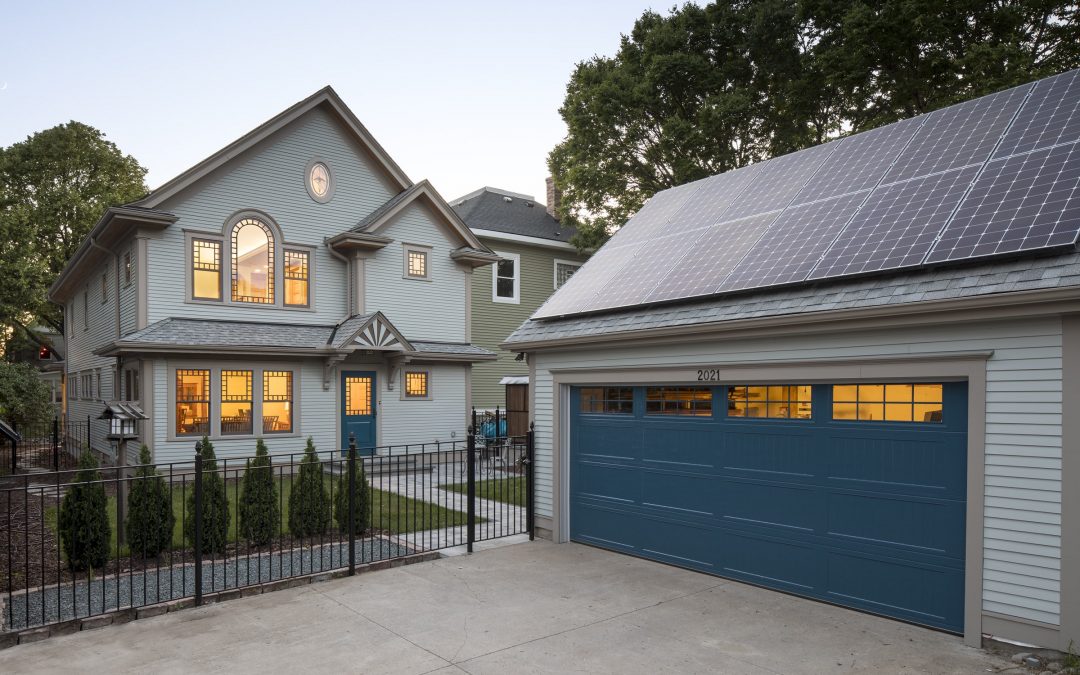
This one-hundred-year old home in Minneapolis was remodeled to be net zero, meaning it produces as much energy as it consumes over the course of a year. Truly a role model for what can be done–and needs to be done–for our existing building stock.
Dec 4, 2018 | Energy, Energy & Water, Green Home Building/Remodeling, Green Home Living, Green Intention, Healthy Home, Landscaping, LEED Certification, Location, Materials
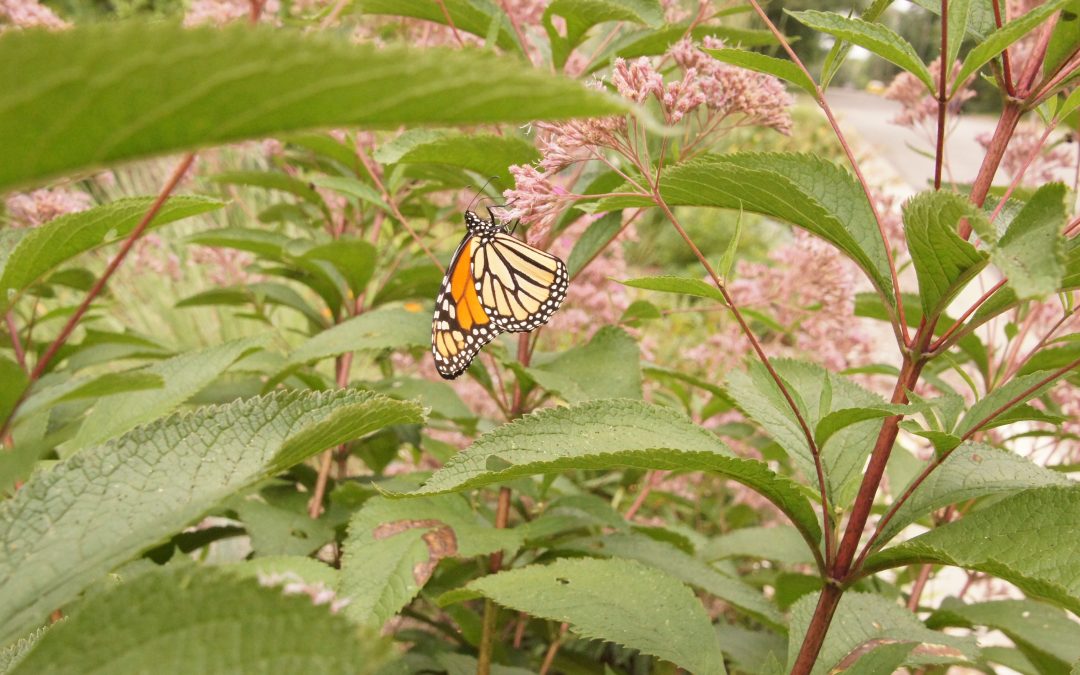
I had the honor of visiting with Mark and Kate Hanson and touring their home and gardens earlier this year. Here’s the story I wrote about their inspirational home and site–and how it serves their community in Roseville, Minnesota.
Apr 1, 2018 | Energy, Energy & Water, Green Home Building/Remodeling, Green Home Living
The tips I have included for lowering energy and water usage in the home really only scratch the surface. They also only deal with today’s technology, which is changing very rapidly. So how to you keep up with the possibilities? Local Resources For those concerned...
Mar 31, 2018 | Energy, Energy & Water, Green Home Building/Remodeling, Green Home Living
Full disclosure: we did not install solar thermal in our home, so I know less about it — but we did consider it, and I used to work for a company that sold these systems, so I know a enough about it to provide a good overview. Solar thermal basically takes the...
Mar 30, 2018 | Energy, Energy & Water, Green Home Building/Remodeling, Green Home Living
Next up: Solar Photovoltaics. The first thing that everyone needs to know about solar energy is that there are two basic types of solar panels: those that provide electricity (photovoltaic panels, or PV), and those that provide heat. They are two entirely different...
Mar 23, 2018 | Energy, Energy & Water, Green Home Building/Remodeling, Green Home Living
“Geothermal” is a bit of a misnomer, because true geothermal works only in specific geographical places where there are hot spots in the ground. Most people who use this term are referring to ground-source heat pumps, which take the relative heat and cooling from the...
Feb 24, 2018 | Energy, Energy & Water, Green Home Building/Remodeling, Green Home Living, Water
This first quarter of the year is supposed to be devoted to tips on home energy savings, but it would not be complete without talking about water. Saving water also saves energy, especially if you are talking about saving hot water, because it takes energy to make it...