Mar 9, 2021 | LEED Certification, Materials, Trash and Waste
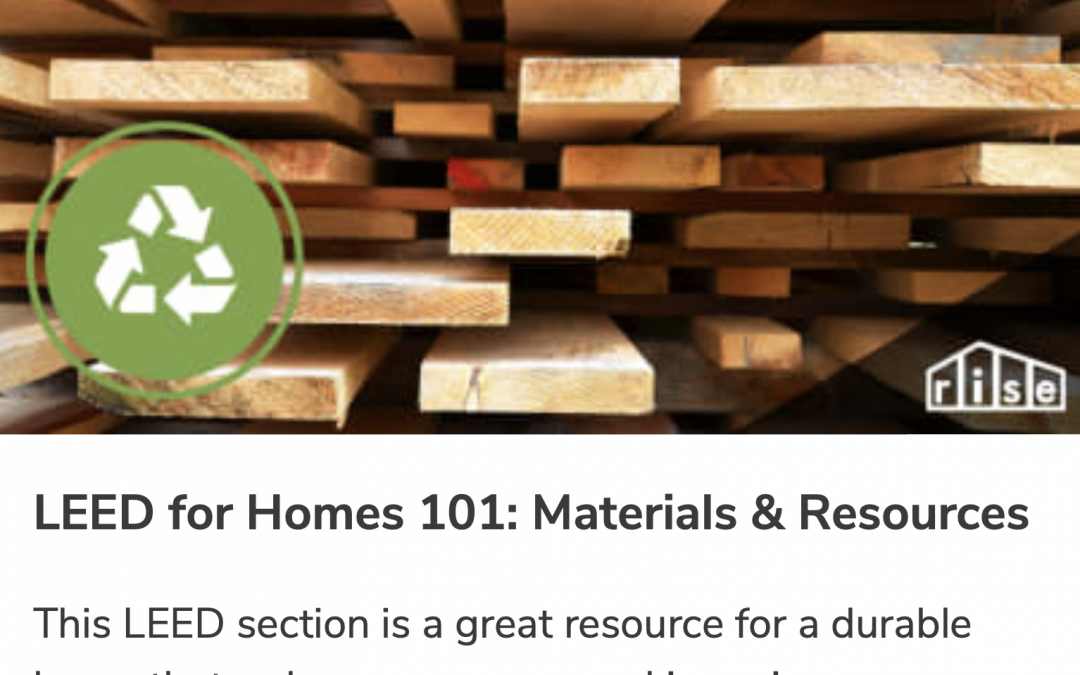
Arguably the most interesting section of the LEED rating system, the Materials and Resources section delves into three sustainability topics: Purchasing more environmentally friendly materials Reducing waste associated with new construction and renovations, and...
Dec 20, 2018 | Green Home Living, Green Intention, Healthy Home, Materials, Trash and Waste
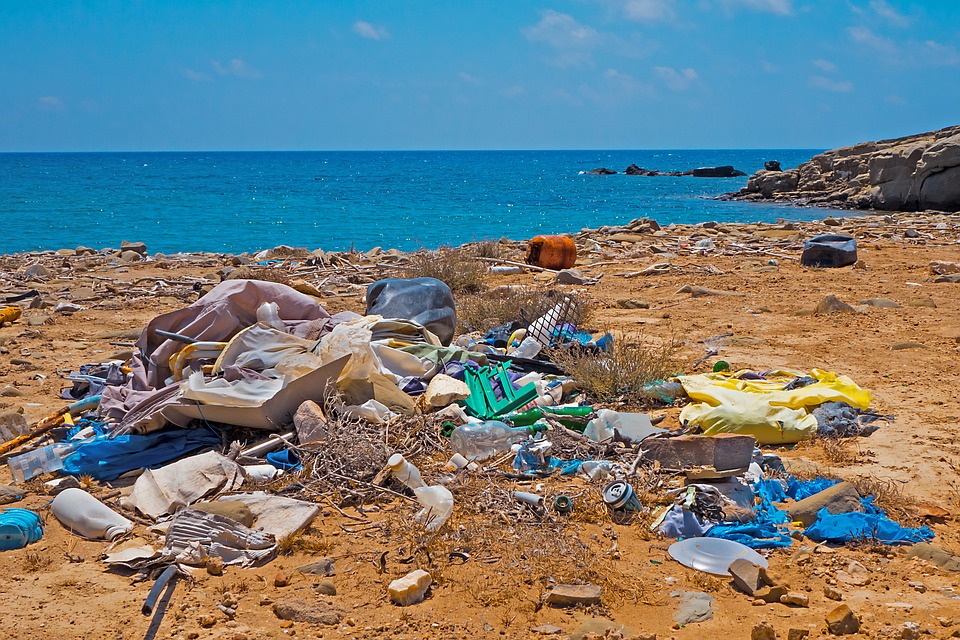
My from the Editor article for Rise, about our office’s single use ban on plastics. Some people think it doesn’t make a difference…read on!

Dec 4, 2018 | Energy, Energy & Water, Green Home Building/Remodeling, Green Home Living, Green Intention, Healthy Home, Landscaping, LEED Certification, Location, Materials
I had the honor of visiting with Mark and Kate Hanson and touring their home and gardens earlier this year. Here’s the story I wrote about their inspirational home and site–and how it serves their community in Roseville, Minnesota.

Sep 25, 2018 | Expert Contributor, Green Home Building/Remodeling, Green Home Living, Healthy Home, Materials, Toxins & Chemicals
Written for House Method. Even though hardwoods are thought to be safer and cleaner than carpet, they may not be as safe as you think. We reviewed the health implications of carpets and hardwoods and talked to a few allergy experts about which flooring type is better...
Jul 20, 2011 | Green Home Building/Remodeling, Green Home Living, Materials, Trash and Waste
On May 10th, hail pummeled parts of Minneapolis, as you can see in this short video. It was very loud, and I knew it could dent our aluminum flashing around the edges of the roof as well as around our windows. If you look closely in the picture of the green roof,...
Oct 12, 2010 | Green Home Building/Remodeling, Materials
This third and final component of the Materials & Resources section attempts to ensure that homes generate less waste than the industry norm. Reducing construction waste is just like trying to reduce waste as we live in our home. It has two components: planning...
Oct 7, 2010 | Green Home Building/Remodeling, Materials
This, the third piece of the credit that tackles material choices, awards points for choosing products that have been extracted, harvested, recovered or manufactured locally. What is local? For LEED purposes, it means within 500 miles of the project site —...
Oct 6, 2010 | Green Home Building/Remodeling, Materials
Continuing with the same credit from my previous post, LEED for Homes awards points for selecting materials with low emissions. You know that new home or office smell? It’s not good for you! Many people report head aches or respiratory illnesses after moving...
Oct 5, 2010 | Green Home Building/Remodeling, Materials
This credit by itself could put an interior designer to work for a while. It incorporates the showier, meatier essence of green homes. We spent a majority of our time on these decisions, and most questions I get from friends revolve around materials choices....
Oct 4, 2010 | Green Home Building/Remodeling, Materials
This LEED for Homes credit is a prerequisite, requiring that if any tropical wood is used, it must be FSC-Certified. Wood is considered tropical, in the LEED for Homes definition, if it is grown in a country that lies between the Tropics of Cancer and Capricorn. ...
Sep 30, 2010 | Green Home Building/Remodeling, Materials
I am grouping the next 4 sub-sections into one post because they are all about the same thing: efficient framing; each one does not warrant a separate discussion. For 1.2 Detailed Framing Documents, we need to have detailed framing plans or scopes of work and...
Sep 29, 2010 | Green Home Building/Remodeling, Materials
The credit is a prerequisite, and requires that we limit the overall estimated waste factor to 10% or less. Waste factor is defined as the percentage of framing material ordered in excess of the estimated material needed for construction. I have had to re-read this...